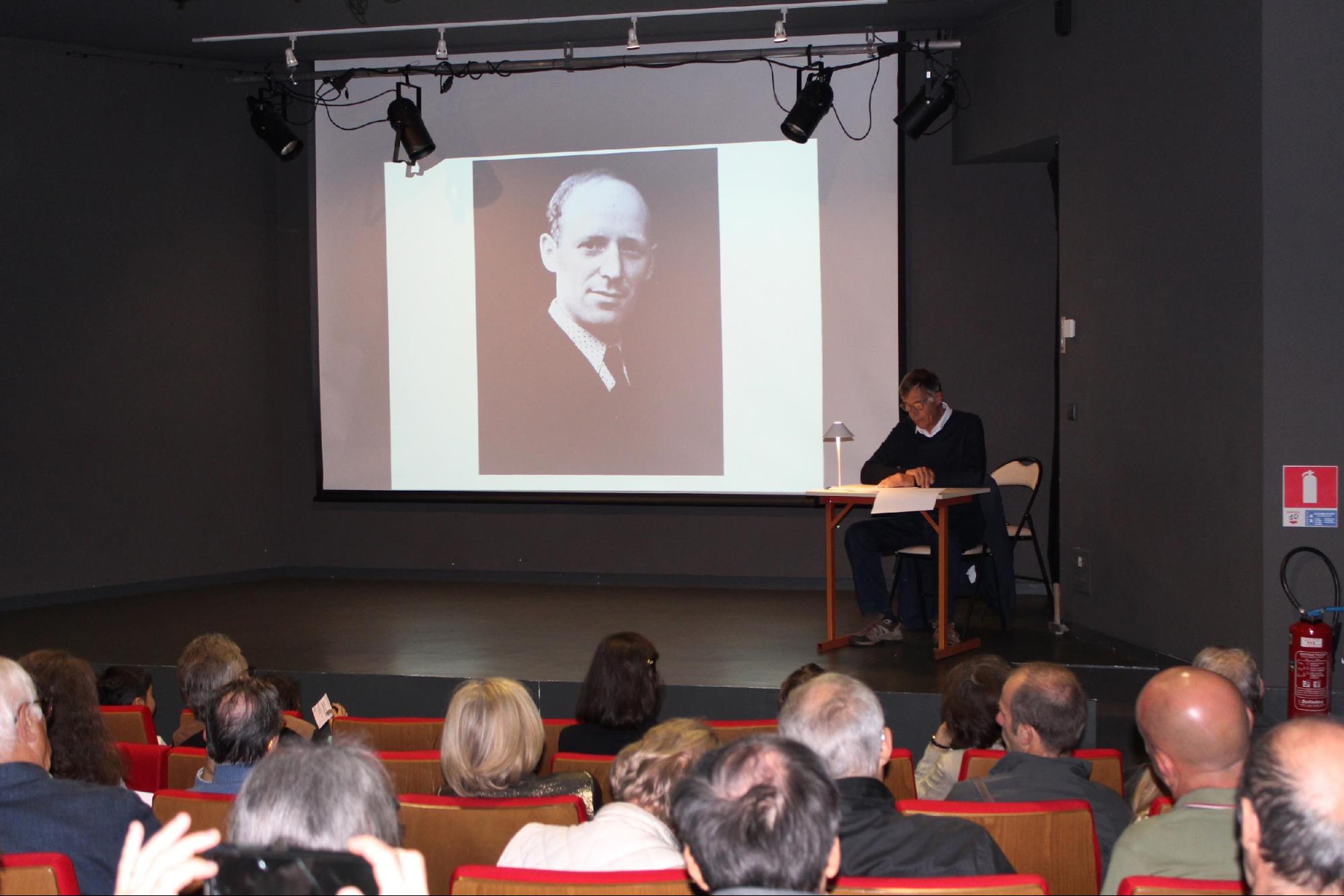
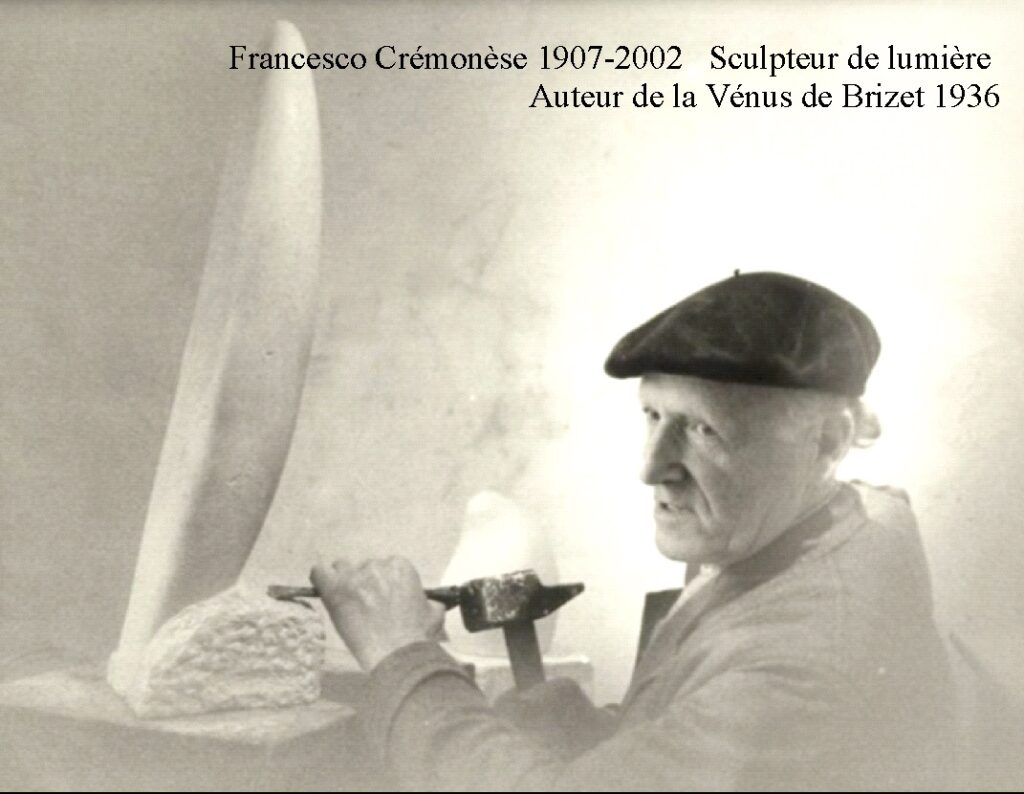
Francesco Crémonèse
Sculptor, Painter 1907–2002
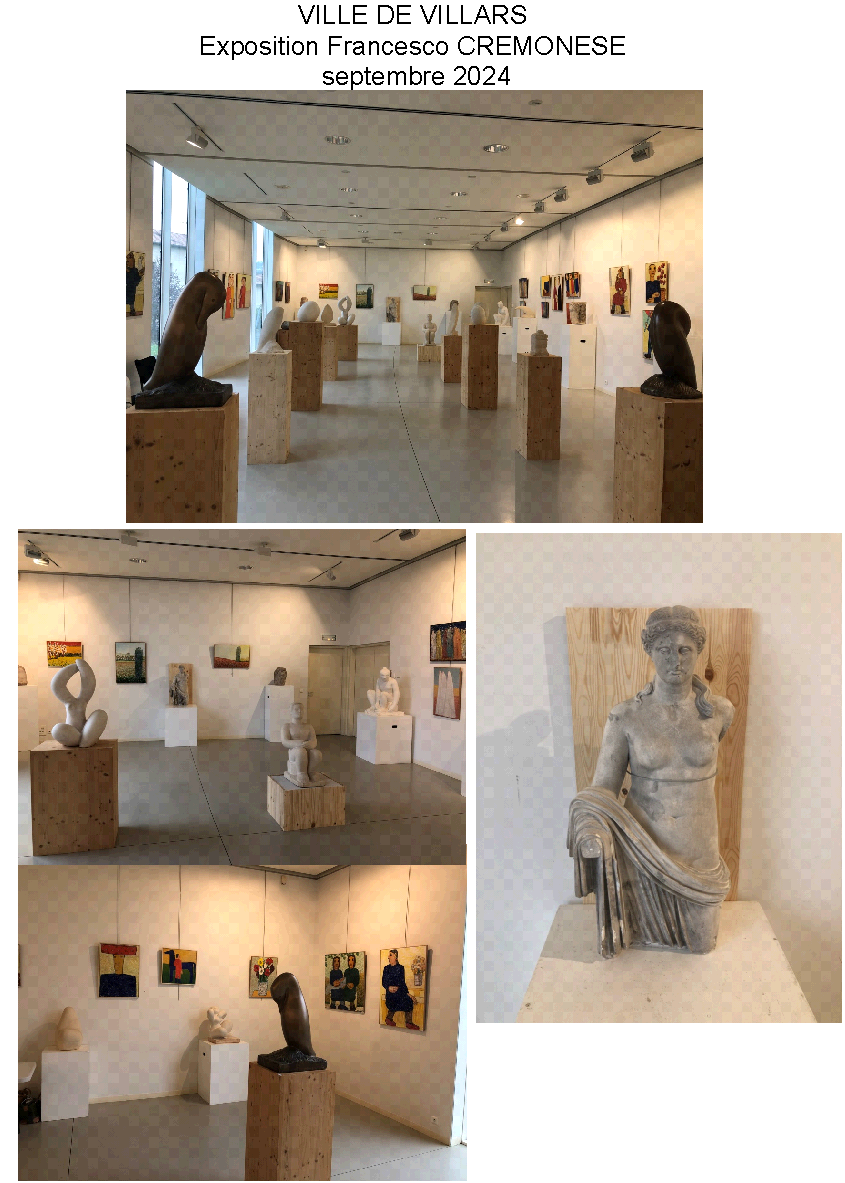
The Story of the Venus of Brizet, 1936
And his work from 1945 to 2002
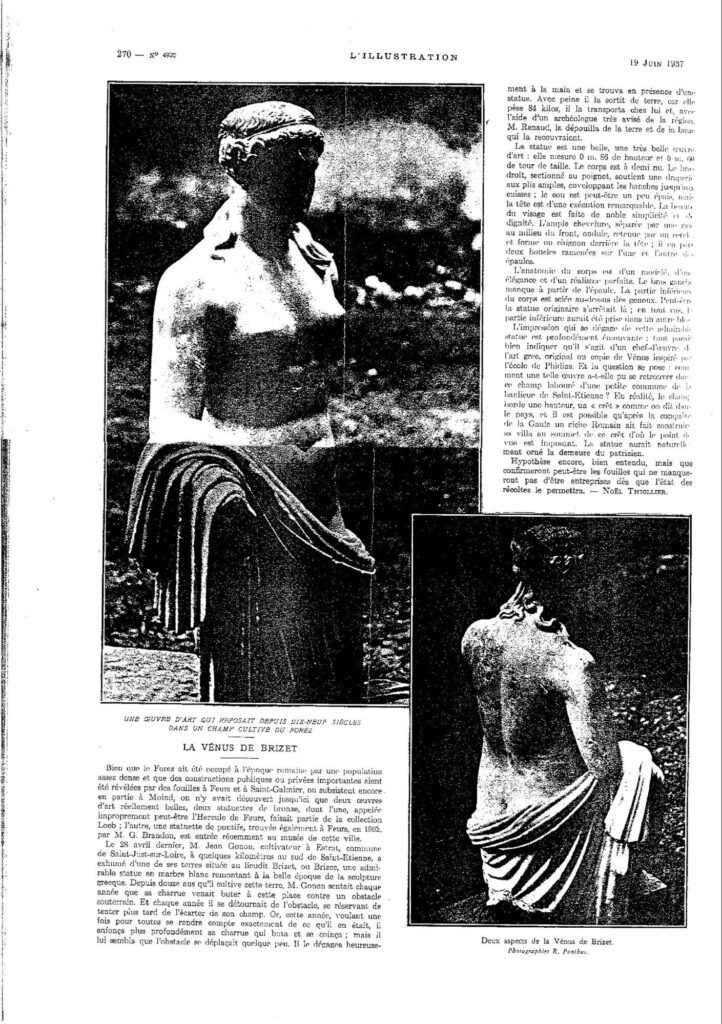
The story begins on April 28, 1937, on the hills above St Just St Rambert. Farmer Jean Gonon is plowing his field when suddenly his plow, pulled by a pair of oxen, comes to a screeching halt—it won’t budge… He goes to see what’s blocking the way, clears the soil by hand, and sees a pristine white stone block emerge.
He clears away more… it is a statue of a nude woman. He runs back to the farm and shouts to his wife, “Antoinette, I think I’ve just unearthed the Mona Lisa!!” Later that day, he brings it back to the farm and calls a dentist friend who has knowledge of Gallo-Roman antiquities.
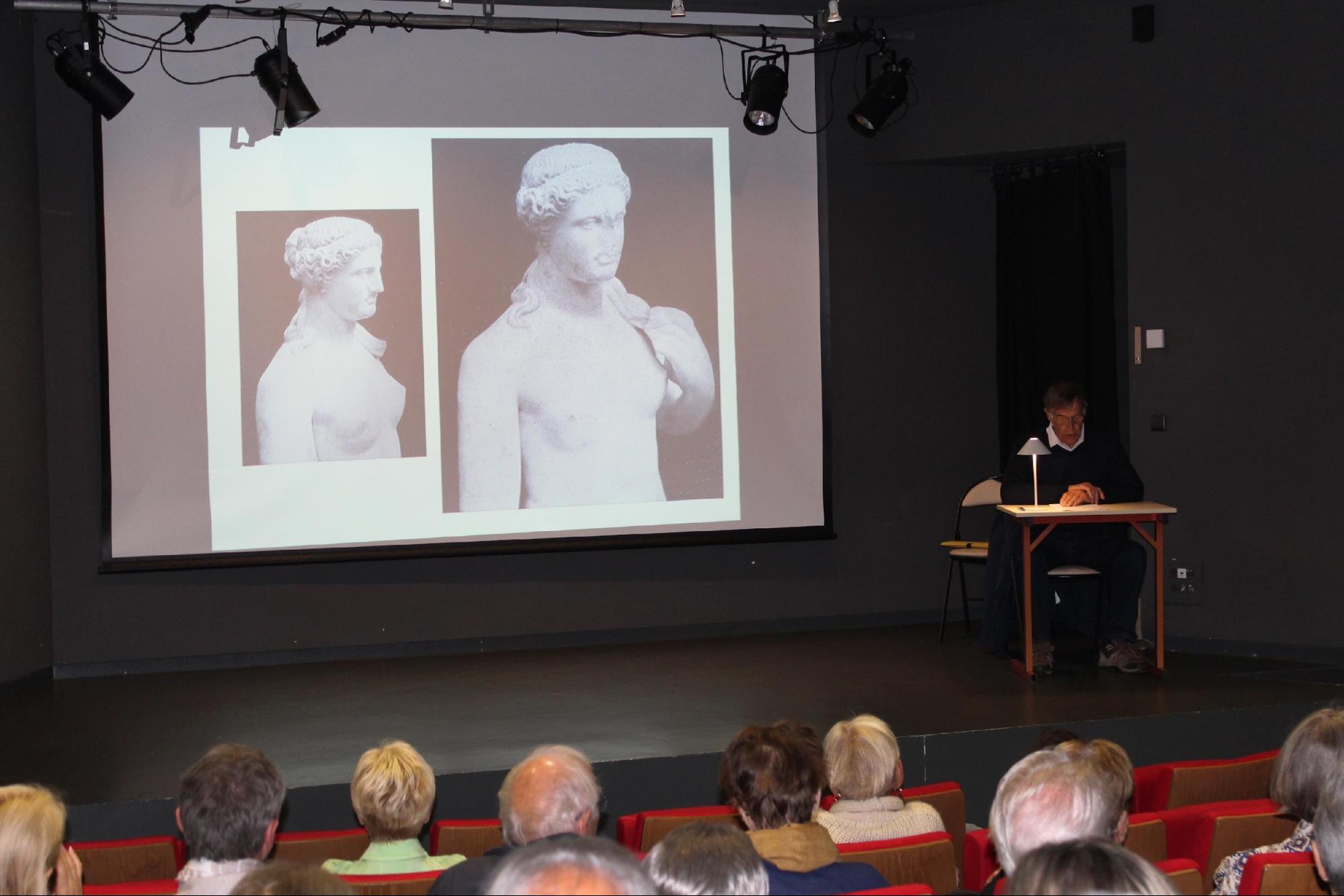
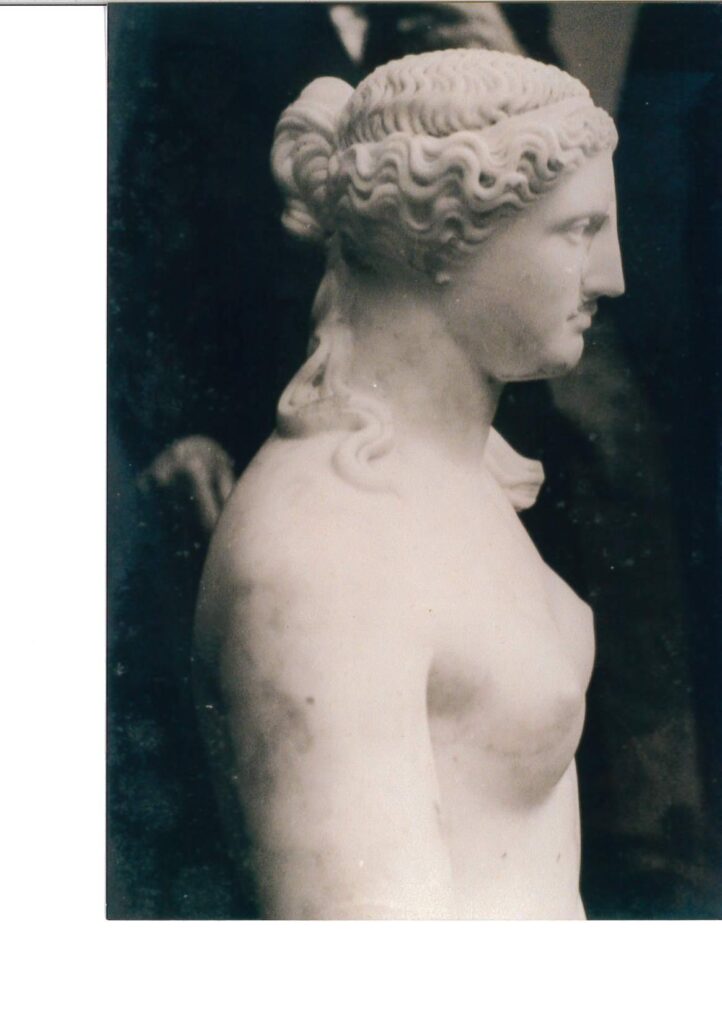
He immediately realized that this was an extraordinary discovery. He called the authorities and the press, and soon the experts arrived. It is indeed a magnificent Greek marble Venus that has just been discovered; it will be called the “Venus of Brizet,” named after the locality.
Hundreds of newspaper articles report on the discovery, even the newsreels in European movie theaters; the national magazine “L’Illustration” publishes two articles.
The leading experts examine it: there is no doubt, it is the work of the Greek sculptor Phidias.
Some will speak of an ancient Roman road passing nearby, and of a villa belonging to a wealthy Gallo-Roman who may have brought the Venus back from Greece during a raid, etc.
A year after the discovery, in May 1938, the government designated it a “Historic Monument.”
Meanwhile, thousands of paying visitors were able to admire it in the farmer’s barn…
But on November 26, 1938, 19 months after its discovery, the Loire Républicaine published an explosive scoop : “The Venus of Brizet: ‘It’s not Phidias, it’s me,’ and I can prove it.” said CREMONESE, a young Italian immigrant from Villars, …
But that… is the story we always tell :
…the real story begins in Spresiano on the banks of the Piave River, north of Venice. It is 1915; Francesco is 7 years old, the third of six children; Francesco is of average height, with Venetian blond hair and blue eyes; he is very lively and curious about everything; his brothers call him Ceco.
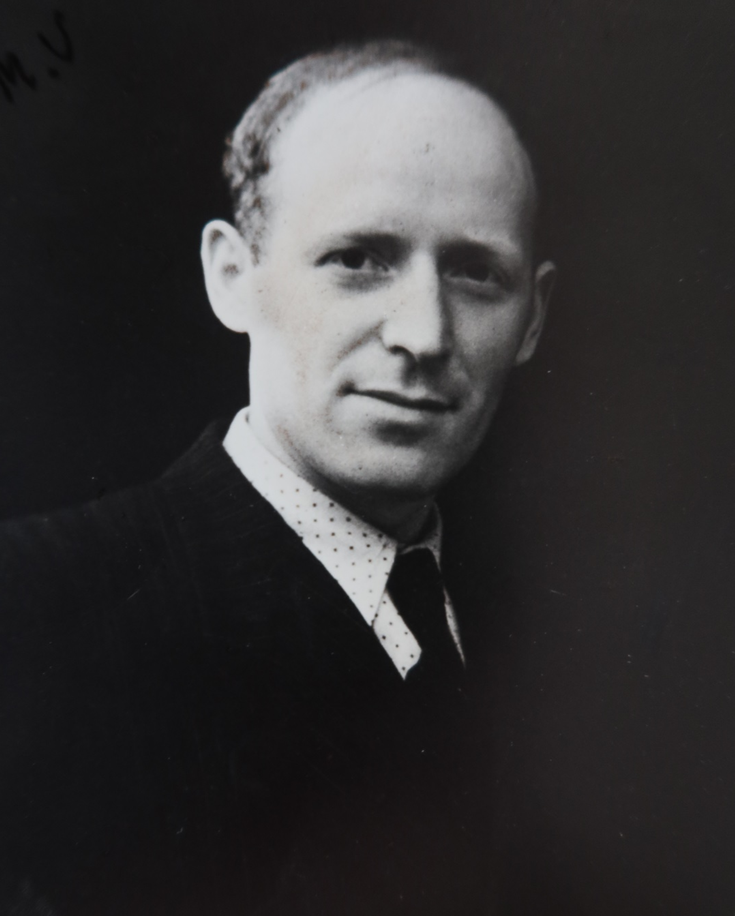
On that day in 1915…, he does not recognize the man arriving at his home; yet it is his father, returning from America, where he had gone to seek his fortune.
He returns to bring his family to safety, as the front line with the Austrians has come to a halt on the banks of the Piave, two kilometers from his village.
No sooner had he returned than his father had to stay behind in the village to help with civil defense, but for the family… it was time to flee by train… just like the rest of the village.
The journey is very long; it takes them across all of Italy and then through the city of Messina, still partly in ruins… following the terrible earthquake of 1908.
The family arrives in Sicily; they are housed in makeshift barracks, amidst the desolation of the exodus and the war!
Yet it is there… before these magnificent landscapes of sea, mountains, and sunsets over Mount Etna, that his grandfather will tell him about ancient Greece and the Italian Renaissance, about Phidias, Michelangelo, and Piero della Francesca, this will be his artistic awakening. The 8-year-old boy is also captivated by the sight of the sailors’ wives, gathered by the sea, waiting for the boats to return; their silhouettes entirely wrapped in their large shawls would later inspire many of his works.
Likewise, during his childhood and adolescence, he was captivated by public string-puppet shows, true theatrical productions of high artistic quality, sometimes dramatic—which would also inspire his paintings of strange characters with unusual, comical features.
1918: the return was devastating; his hometown had been completely destroyed by Austrian bombing… Everything had to be rebuilt.
The family lived in barracks for years.
At age 11, he was hired as an apprentice by a locksmith, working six days a week. The work was very hard; Francesco learned to forge tools, a skill that would prove very useful to him later on.
Despite the exhaustion, he was eager for knowledge: he earned his elementary school diploma by taking night classes, and on Sunday mornings he attended drawing lessons; at age 17, he passed the entrance exam for an aviation school.
But the economic situation worsened, and the rise of fascism forced the family to make a fresh start.
The father decided to take his entire family to America: he had worked there for over 10 years, in two separate stints before the war, and they could become American citizens.
However, he didn’t have enough money to pay for the entire family’s passage from Le Havre to New York, so the journey ended in Villars in 1925. After the devastation of the war, France needed workers for its industries, and there was no shortage of jobs!
From 1925 to 1929, he worked at a metalworking company and took evening classes at the École des Beaux-Arts in Saint-Étienne, where he won numerous first prizes.
It was at the School of Fine Arts that he first conceived the idea of a Venus.
One day, his sculpture teacher, BATIGNE, mentioned, as he often did with his students, the Venus de Milo: “These days,” he said, “there is no sculptor capable of creating a work of such beauty !”
Francesco replied, provoking the laughter of his classmates and the professor, “I, in a few years, will do the same.”
In 1930, he continued his artistic training in evening classes at the École des Beaux-Arts in Paris, on Place des Vosges, while working at the Seguin company, which specialized in historic monuments. He was also interested in literature: Homer, Plato, Dante…
Every Sunday, he went to the Louvre with his two older brothers, Louis and Angelo, who were taking cabinetmaking classes at the École Boulle.
But in 1931, he was urgently called back to Saint-Étienne: the local sculptor Alfred Rochette, a former World War I veteran who had been gassed, had just been commissioned to create the Saint-Étienne War Memorial. He was very ill and no longer had the strength to complete the work…
He went to the School of Fine Arts and asked his friend, Professor Batigne, if he knew anyone who could do it. Batigne replied without hesitation :
“Yes, I can think of only one… CREMONESE”
So, under Rochette’s direction, he created the monument to Pastor Louis Comte and the bas-reliefs of Charity, as if Rochette wanted to test him.
Then, for two years, he worked on the Saint-Étienne War Memorial, which was inaugurated in October 1933 by President Albert Lebrun.
Alfred Rochette died six months later at the age of 44.
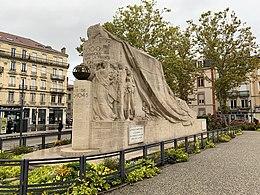
Cremonèse held Rochette in high esteem, and Rochette himself would be thoroughly satisfied to see his masterpiece brilliantly completed.
It is a beautiful monument, now a listed historic site, depicting the fallen soldier and the family’s mourning.
The idea of a Venus now came to him: “If we can achieve that, then we are truly a sculptor.” “We have truly understood Greek art”….
But how to go about it…? Homer provides the answer: do as Odysseus did, use a stratagem, like the Trojan Horse!
From the very beginning, his goal is clear: to sculpt a Venus, break it, bury it, and in this way submit it to the judgment of the experts.
To find out whether he has truly achieved the Greek harmony between spirit and technique.
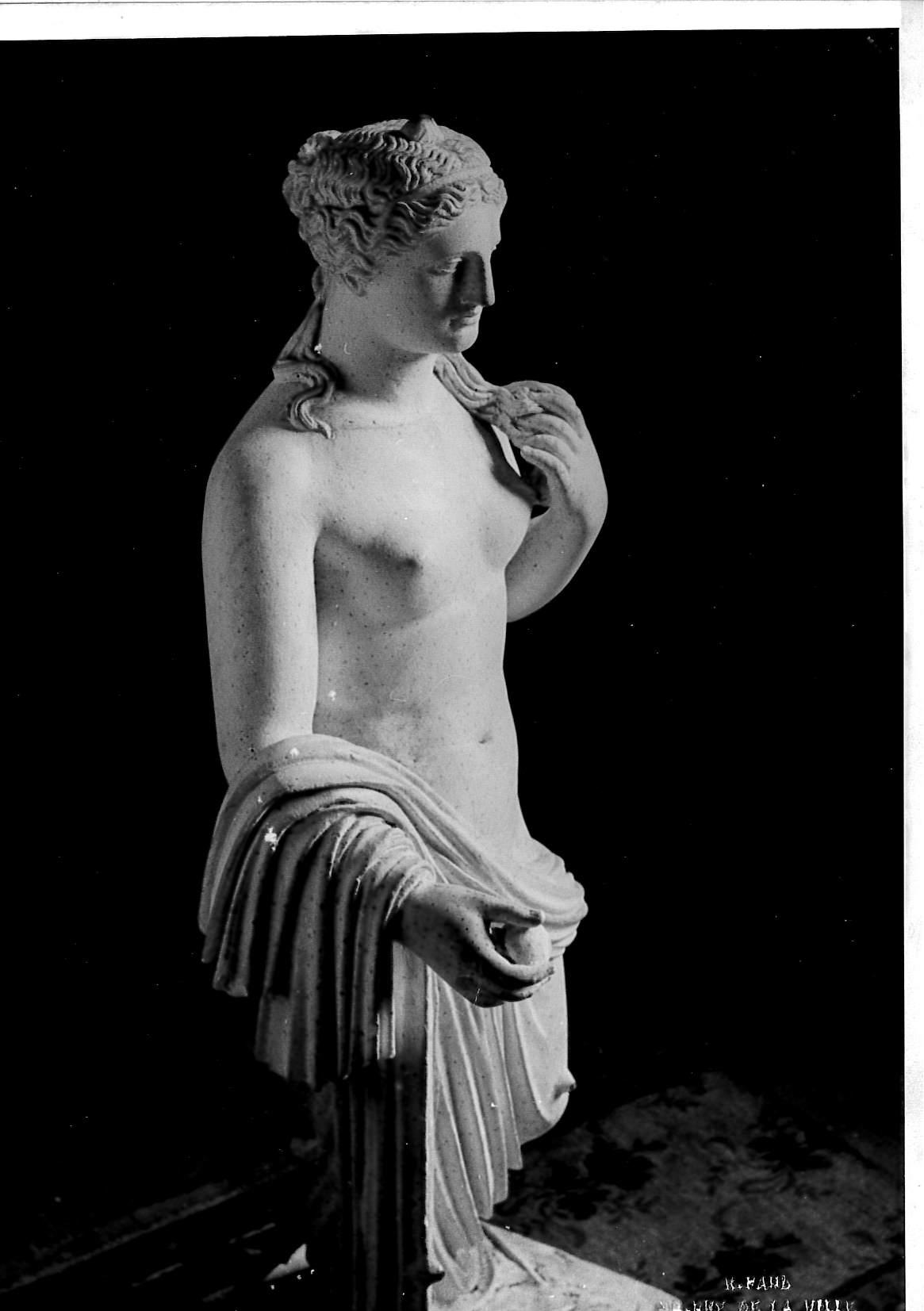
He is certain he has mastered both: he will say, “I undertook the Venus in the spirit of the Parthenon sculptor, for there is no existing female nude attributed to Phidias.”
It will not be a copy; it will be an original work in the style of Phidias.
He will have no hesitation; he is confident: he has thought it through so thoroughly before beginning.
He secretly orders a 1.3-ton block of Carrara marble of exceptional whiteness and purity.
He began in 1934 at the age of 27; for this, he rented a studio in La Terrasse, a northern district of Saint-Étienne. He needed a model: he asked a young Polish woman, Anna Strudinka, to serve as a live model; he would spend months modeling the Venus in clay.
Next, he had to create a plaster cast of the highest precision, marking thousands of reference points on it.
Finally, he moved on to carving the marble, with strength and patience, and for months, amidst the shards of marble, he transferred all these reference points.
Every stroke of the tool had to be of the utmost precision.
He applied the Greek sculptors’ technique of the “plan d’air”: everything had to be curved and counter-curved, with no flat surfaces, for the body of Venus, her hair, and the drapery as well…
Then comes the polishing; everything must be perfect—thousands of hours of polishing, day and night, especially at night, since he has to work under the low-angle light of a bulb to erase the slightest imperfections (which will take a toll on his eyesight).
But time is running out; autumn is approaching.
His Venus is finally finished; she is magnificently beautiful, and exactly as he had imagined and dreamed her… Now comes the most delicate moment: he must shatter her, without letting her break into irregular pieces.
He knew, from the very beginning, that this moment would come…
To make it look like an ancient work, he breaks it: the right hand clutching an apple, the left arm, the nose, the base at knee level,
Then the three of them set off, with his brother Angelo and his father, one October night, in a cart with creaking wheels; they carry the 85-kg statue along the rocky paths to a place called Brizet in St-Just-St-Rambert, 10 km away.
A spot they had already scouted out during previous walks for the beauty of the view over the Loire Valley and the surrounding hills.
Neither men nor dogs will hinder their progress. As if the goddess had been moved by the courage of this young sculptor, who, 25 centuries later, had brought her back to life in all her majesty; she had protected him throughout the three years of his work… magnificent and exhausting, and even tonight!!
The Venus was buried in October 1936; Francesco thought she would be discovered during the first plowing of the fall. But the field was not plowed… and winter passed…
Finally, on May 1, 1937, unable to wait any longer, he took his bicycle and returned to the field.
There is a mound of earth at the spot, the plow and tools abandoned; the farmer GONON has just discovered the Venus.
He returns to Villars, buys the newspaper, and reads the first article in a long series.
He will wait for what comes next: the judgment of sculptors, archaeologists, and experts.
To find out “if I was a real sculptor”!
He would wait until November 17, 1938, for confirmation, at which point he contacted a journalist: “The Venus of Brizet, it’s not Phidias, it’s me.”
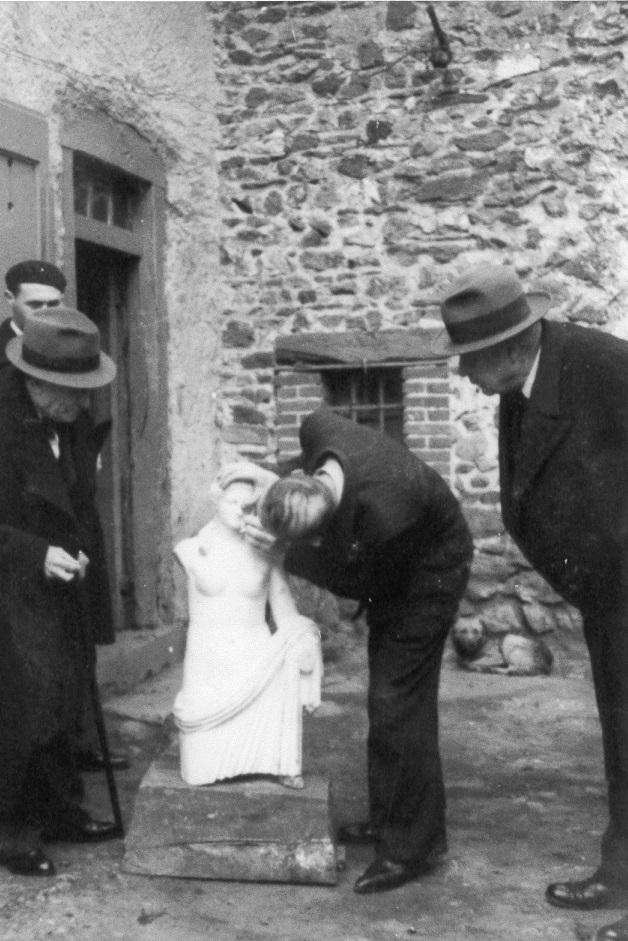
In front of the astonished experts, he will provide proof using the missing pieces: the arm, the hand, and the nose will fit together perfectly… of course !
Once again, a considerable number of articles will appear, ridiculing the experts.
Some will admit their mistake, attributing it to the exceptional quality of the work; others will not forgive him, and to make people forget their error in judgment, they will begin to disparage it, as well as its creator…
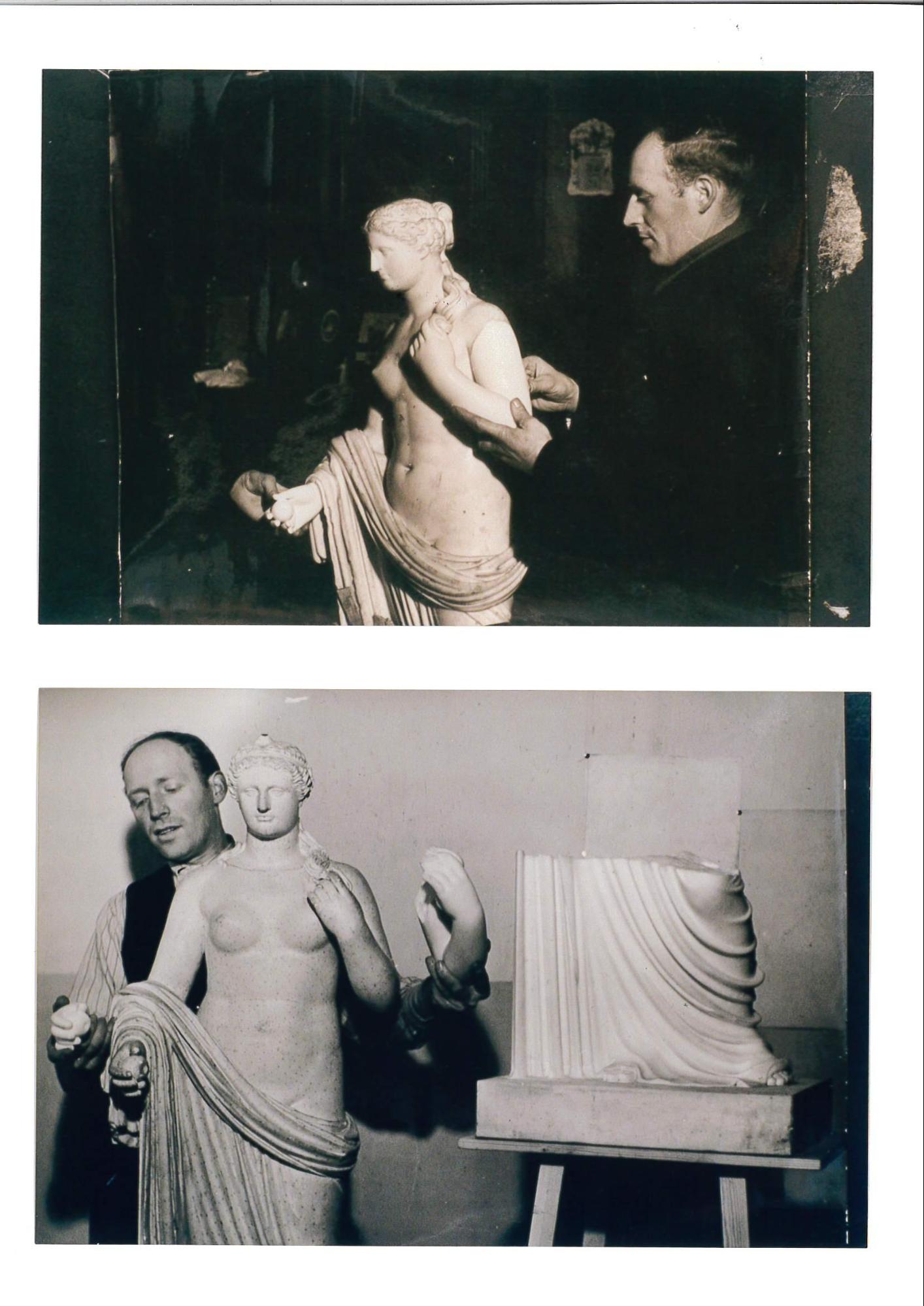
Yet they could have examined the grain of the marble more closely: it was not Pentelic marble but Carrara marble; or they could have tried to find out who this young sculptor was, who, at the age of 27, had created such a masterpiece….
In Saint-Étienne, many knew that he was the finest sculptor of his generation. Could one go so far as to say that he was, perhaps, the last great sculptor of ancient Greece…?
Among all the articles: here is what Paul Landowski said in December 1938 (Grand Prix de Rome, director of the Villa Medici, director of the École des Beaux-Arts in Paris, and creator of Christ the Redeemer in Rio de Janeiro): “What interests me is whether the young Cremonese merely reproduced, in Carrara, an already existing image, or whether he truly created a work of his own, which would reveal a remarkable talent in him.” Ref. L’Intransigeant, December 5, 1938.
He will try to get his Venus back by offering to buy her from the farmer, who will refuse, and then he will sue him in a trial held in Montbrison… The judge will declare himself unable to determine paternity, but will rule that “even if he were the creator, he voluntarily abandoned it in the field… the farmer will therefore keep the Venus.” He will never see his early work again. Thus, the mystery deepens…
War breaks out again; he and his four brothers refuse to obey the order to return to Italy to be mobilized.
The eldest brothers, Luigi and Angelo, are conscripted into the S.T.O.; Francesco escapes with the help of the Director of the Saint-Étienne Arms Factory, who registers him fictitiously as an employee.
January 1942, a tragedy: the entire Michard neighborhood is in mourning; several of his neighbors perished in the terrible mining disaster at La Chana in Villars. He is deeply affected: later, he will create a series of very somber paintings on the theme of the mine.
He will donate one to the Villars Mining Museum upon its inauguration in 1983.
After the war, he went through a mystical phase, spending a brief period in retreat at the Cistercian monastery of Saint Honorat on the Île de Lérins, off the coast of Cannes. He planned to enter the priesthood to devote his life to artistic creation, but his request was denied.
He returned to sculpture with four superb works of serenity, carved in Comblanchien, a very beautiful limestone that is also very difficult to work with.
Now he knew he was truly a sculptor!
For him, the Venus was just the beginning; his career could now take off. But public commissions would never come, and the École des Beaux-Arts in Saint-Étienne refused to hire him as a teacher because he was Italian.
He never achieved artistic fame, but the goddess still watches over him.
In 1950, at the age of 43, he returned to his native village and married Romana Barbon, a 27-year-old farmer’s daughter, the youngest of ten children.
They returned to live together in Villars and had three children in the 1950s. Despite his family responsibilities, he continued to pursue his creative passion. He was a tireless worker, never resting, never ill, and he kept working in this way until he was 95. Throughout his life, his wife accepted this passion, which meant that almost all his free time was devoted to art.
After working for the sculptor Rochette, he found a job as a plasterer-sculptor at the André Longeon company in Saint-Étienne.
A commission for a bas-relief for the church in Villars came in, at the request of Father Moulin, but it remained unfinished due to a lack of funding.
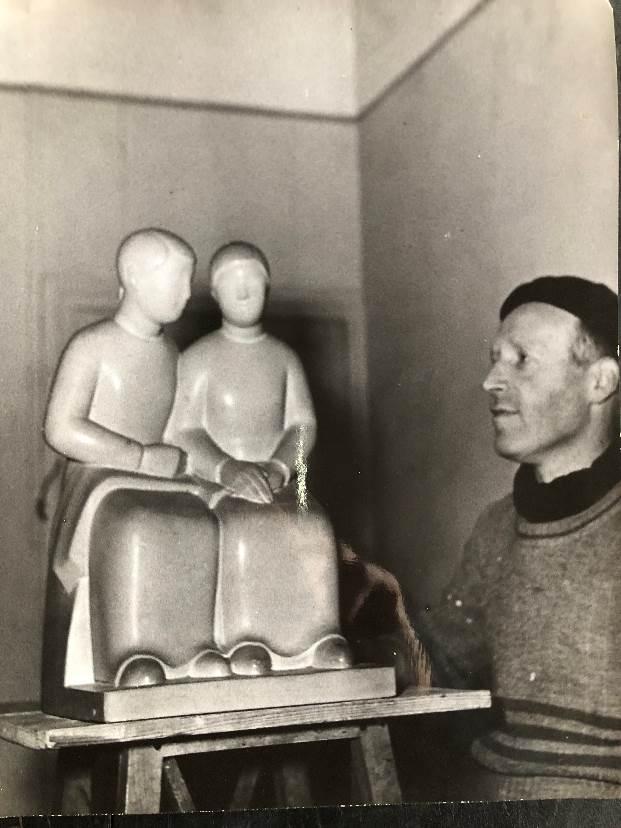
During those years, people began talking again about that magnificent Venus, but no one ever saw it again…!
In 1972, at St. Peter’s Basilica in Rome, a deranged man vandalized Michelangelo’s Pietà with 15 hammer blows; the artist was deeply affected by this. He sent a letter to the Pope, offering his services to restore it, as he felt capable of doing so. There was no reply from the Vatican.
He managed to sell three paintings. Finally, in 1975, he received a commission from the parish of Marclopt, near Montrond-les-Bains, for a Virgin and Child to replace a Renaissance statue that was too damaged.
He will create a beautiful granite sculpture of the Virgin and Child, imbued with powerful symbolism:
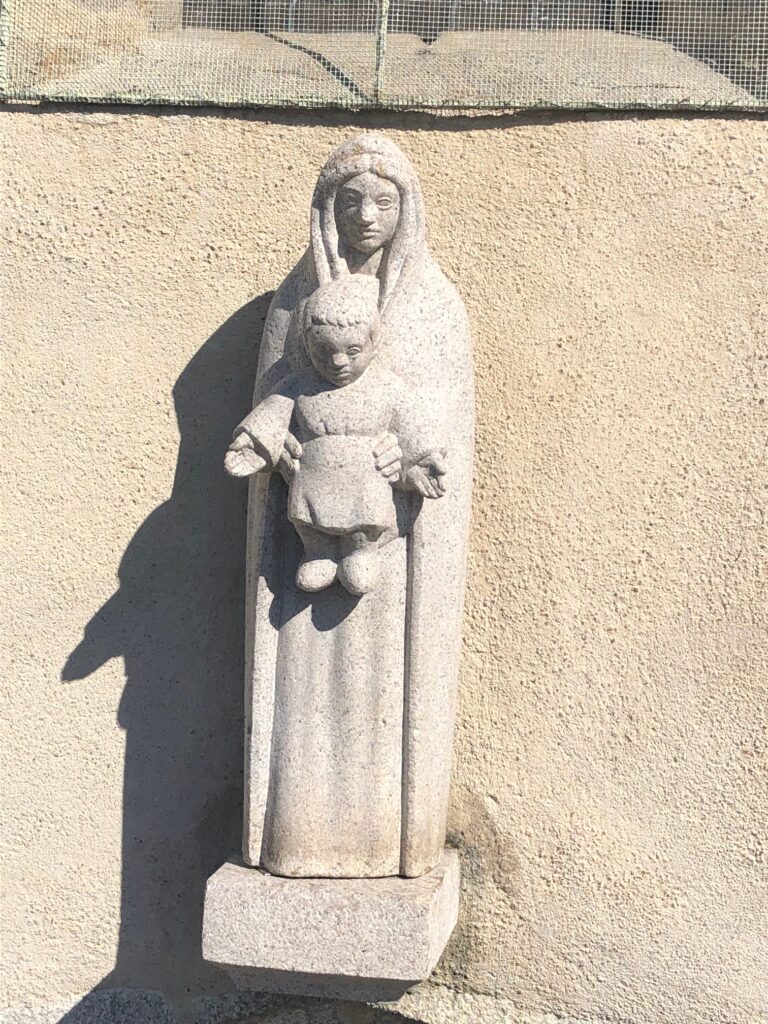
Mary is aware of her son’s destiny and accepts God’s will, yet she remains serene as she offers up her son.
Jesus opens his arms to welcome all of humanity, believers and non-believers alike; Jesus is no longer with Mary, he, too, knows his destiny…
his body forms a cross. Though modest in size and budget… This depiction echoes Michelangelo’s Pietà, the same sacrifice of Mary for her son: at the beginning of his life, and at the very end of his death.
While working until the age of 67, he sculpted and painted in his studio in Michard, in a state of perpetual exploration.
Upon retirement, his artistic output increased, and since 1970, dozens of sculptures and paintings have come together to form a complete body of work.
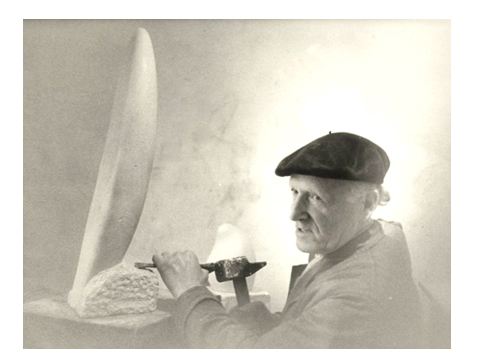
He regularly participates in several exhibitions, notably the Salon d’Automne at the Palais de Bondy in Lyon.
His works never fail to surprise visitors.
Journalists, art lovers, and famous figures came to see him: Lucien Neuwirth, the TPG of the Loire, Jean Cardot, Mr. Richard, Mr. Robin, Doctors Ziegler and Pouquet, Michel Martin, and many others.
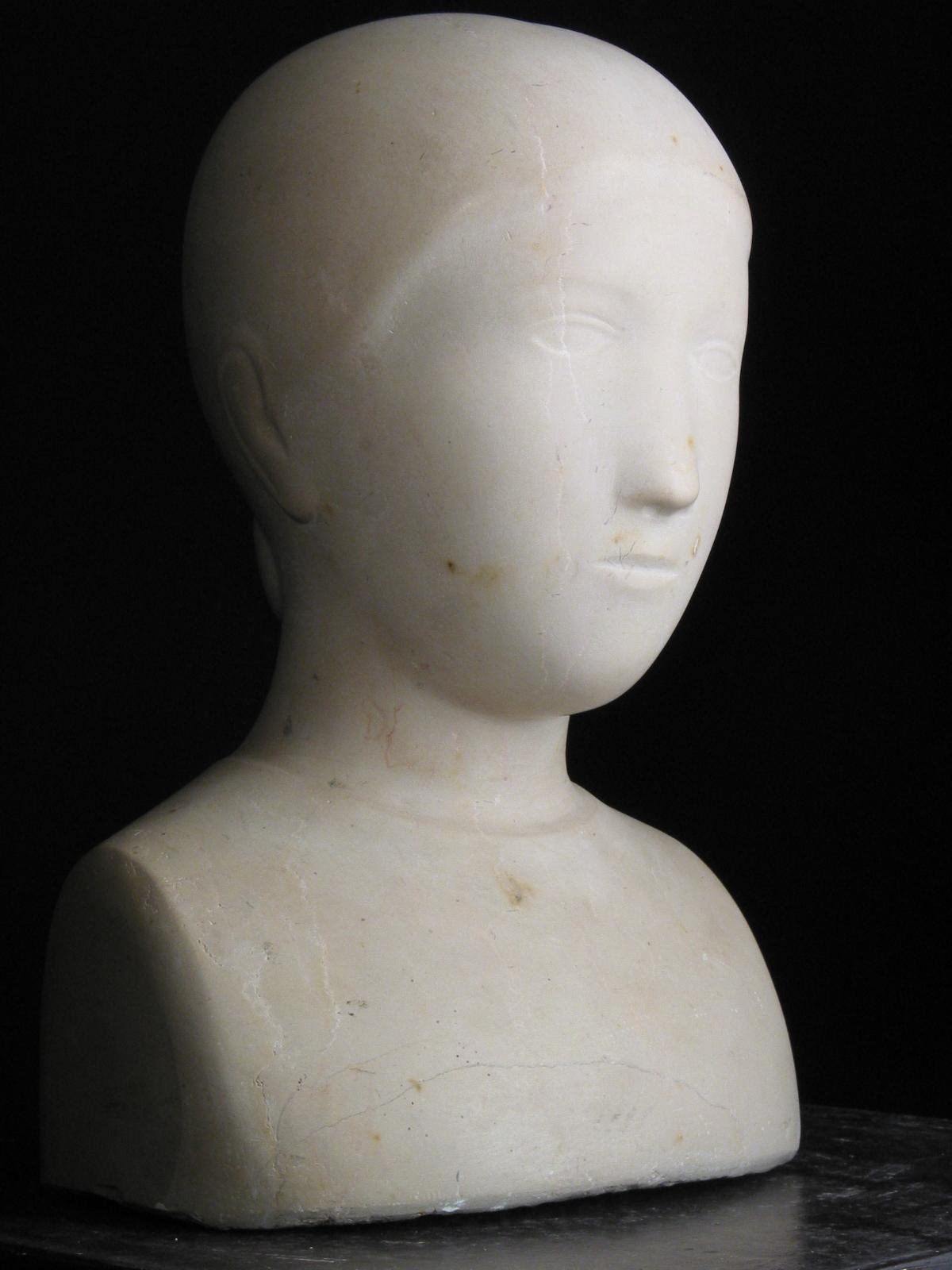
Moving away from the classical style, he sought ever more refined forms for his nudes, busts, and birds.
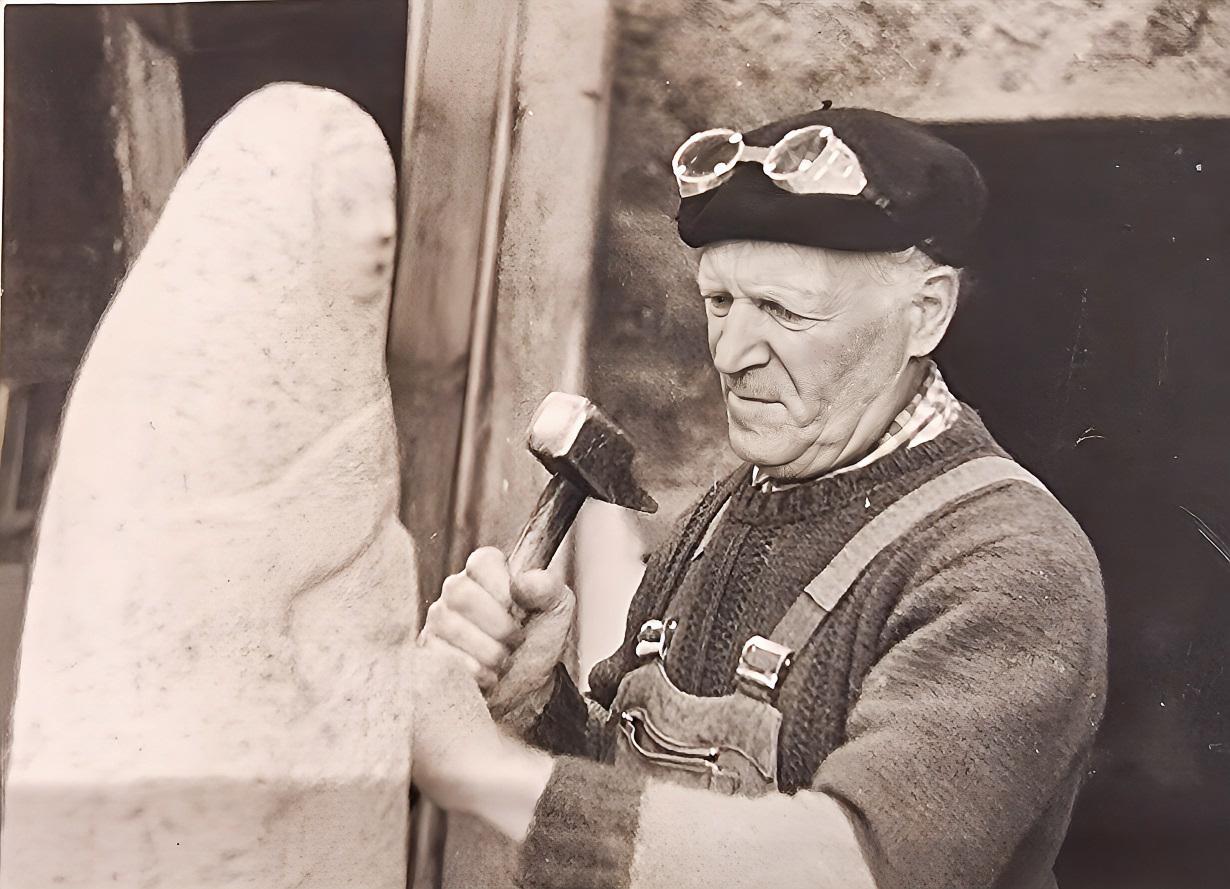
It is a sculpture of power, serenity, and simplicity.
He seeks to eliminate shadows… everything must be light.
He also explores painting, which is imbued with his vision as a sculptor, working tirelessly in search of the essential:
Serenity, simplicity, naivety, innocence, faith….
Above all, he prioritizes the depiction of women, mothers, children, and ordinary people in their daily lives. But also the importance of nature, the wonder it inspires, and the joy felt in its presence: tenderness or an explosion of colors in his paintings, the purity of lines, and transparency in his bird sculptures
He would often say, “I don’t describe… I evoke,” and “my characters don’t think; they are completely calm.” Free from thought, only the power of their presence is revealed.
Removed from the art and media worlds, he would occasionally be brought back into the spotlight for a press article, a documentary on FR3, or an exhibition, such as in Saint-Étienne for the 1999 Book Festival at the Maison des Avocats, and the conference at City Hall. Exhibitions in Villars (2024), Soucieu-en-Jarrest (2000, 2025), and the 7th arrondissement town hall in Lyon (Heritage Days). Spresiano near Venice in 2026.
His body of work remains entirely to be discovered.
And in this restless, turbulent, often anxiety-inducing world… he invites us to slow down, to turn toward deeper human values, simplicity and kindness, in a more peaceful and authentic world.
One day… he may emerge as one of the great artists of the 20th century.
Appendices
Why is Francesco Cremonese’s Venus holding an apple?
In Greek mythology, the Apple of Discord was thrown by the goddess Eris, who was offended at not having been invited to the wedding of Peleus and Thetis (the future parents of Achilles).
She threw the apple, on which was inscribed, “To the fairest.”
A dispute ensued between Hera, Athena, and Aphrodite, all three of whom claimed the fruit.
They asked Zeus to decide between them.
But Zeus, who had to choose between his wife and his two daughters, declared that it would be better to ask an “innocent,” a “mere mortal” named Paris.
To persuade him to choose them, the three goddesses promise him gifts: Hera offers him royal power, Athena military glory, and Aphrodite the most beautiful woman in the world.
Paris accepts Aphrodite’s offer. He goes to Sparta and abducts the beautiful and willing Helen, wife of King Menelaus.
This marks the beginning of the Trojan War.
On this point, the experts were not mistaken; even without the hand and the apple, they all recognized Venus!
Other works on the website and the FR3 documentary
Jean TIBI’s book, Bulletin des Amis du vieux St Étienne No. 196, October 1999
“Cremonese and the Venus of Brizet”
The History and Heritage of Saint Étienne magazine, No. 296, 4th quarter 2024
“Memory of Stones”
Text by Emmanuel CREMONESE on September 21, 2024, in Villars
0 60 08 54 80 mail : archi.boen@gmail.net
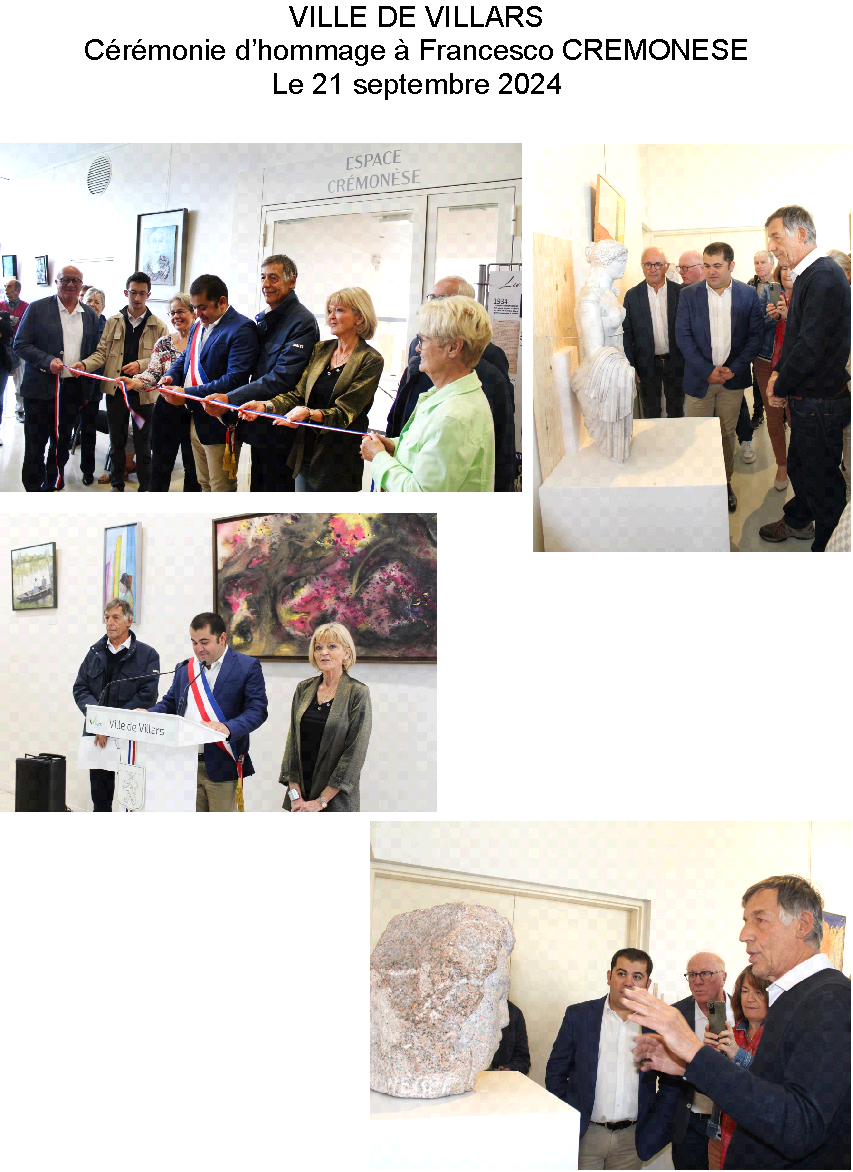
CONFERENCE sur Francesco CREMONESE le 21 septembre 2024 à VILLARS